AI, Regulators, and Cheating Tools: A Preview of the AO Forum 2026
With event season now upon us, the awarding body world is gearing up for one of its most anticipated gatherings of the year.
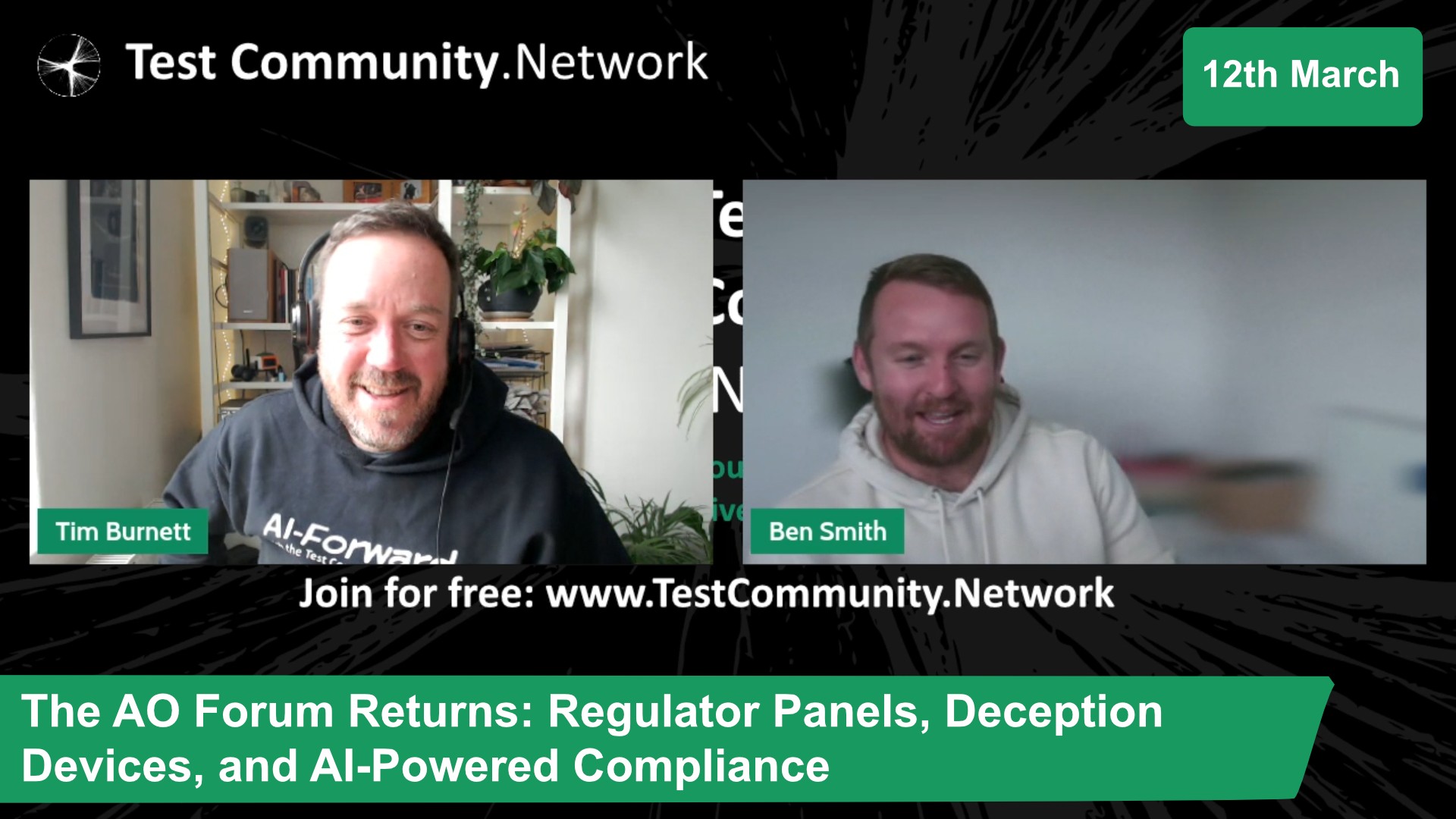
With event season now upon us, the awarding body world is gearing up for one of its most anticipated gatherings of the year.
The AO Forum returns to Woburn House in central London on 22nd April, and if organiser Ben Smith is to be believed, 2026 could be the best edition yet.
Hosted by Gordon Associates, the AO Forum has established itself as a unique fixture in the sector calendar — a deliberately informal, welcoming space where awarding organisations can come together to hear from regulators, share common challenges, and connect with peers in similar roles. This year's event boasts an impressive regulator panel featuring representatives from Ofqual, Qualifications Wales, the newly reformed SQA, and Skills England, alongside a strong lineup of sector speakers including Sam Double, CEO of VetSkill, Rob May, Managing Director of Innovate Awarding, and Niamh Pierce, Head of Research at ASRG.
"We want it to be, where possible, one big sort of happy family. That's really the aim of the AO Forum — just to bring people together, to share information, to speak to people in similar roles, listen to some of the speakers and have a nice day out in London."
— Ben Smith, Gordon Associates
What sets the AO Forum apart from larger sector conferences is its tone. Ben describes the event as relaxed and approachable, with round-table seating, close proximity to the panel, and a culture that encourages delegates to ask the questions that matter — even the ones that might make regulators squirm. With between 100 and 150 delegates typically attending, the day strikes a balance between being substantial enough to deliver real value and intimate enough for genuine networking.
One of the recurring themes in Ben's conversations with awarding bodies has been AI — specifically, how organisations can harness it to ease the burden of time-consuming, data-heavy tasks. Gordon Associates have been doing their own exploration in this space and plan to embed AI functionality into Monarch, their governance and compliance module, later this year. The vision is for Monarch to begin generating content intelligently — for example, creating the fields you'd expect to see on a malpractice log simply by asking it.
"A lot of the trends and patterns seem to be: if AI can support those day-to-day tasks, the time-taking tasks, if it can help save time by just presenting some data or just not being bogged down with those things — people want that."
— Ben Smith, Gordon Associates
Monarch has been a popular product since its launch, thanks to its versatility. Awarding bodies have used it for everything from conditions of recognition and risk registers to ISO accreditations and Cyber Essentials badges. The addition of AI-powered functionality promises to take that flexibility further still.
On the EPA side, Gordon Associates are also preparing for the impending framework changes affecting endpoint assessment organisations. Their Talus software is being updated to accommodate the introduction of training providers managed more like centres, changes to assessment standards, and other reforms — a moving target that Ben acknowledges has been challenging for the entire sector to navigate.
"It's really just trying to get some clarity on what these changes are going to look like. Everyone's got a very similar idea, but until anything is official, we're primed and ready."
— Ben Smith, Gordon Associates
One of the most anticipated talks at this year's Forum will come from Niamh Pierce, Head of Research at ASRG, who will close the day with a presentation on impersonation and deception technology in assessments. Tim and Ben discussed the growing sophistication of cheating tools — not just software, but social engineering techniques and hardware devices that are alarmingly easy to access. Tim highlighted a recent example of an AI platform called Einstein, which was briefly released as a tool capable of logging into a course, completing assignments, and even making comments on behalf of a learner — effectively acting as an agentic persona so the student never had to engage at all.
Ben noted that many people can feel overwhelmed by the pace of AI development and may take a "bury your head in the sand" approach. Events like the AO Forum, and talks like Niamh's, provide a valuable opportunity to engage with these topics in a supportive setting and come away with practical knowledge.
The AO Forum takes place on 22nd April at Woburn House, London. Early bird tickets are available at £150+VAT for bookings made before the end of March. Register at www.awardingorganisation.com. For anyone working in the awarding body or EPA space, it's shaping up to be a day well worth attending.