How STA Is Making AI Marking Work — Responsibly and on Their Own Terms
A practical look at how one awarding organisation adopted AI-assisted marking with confidence, compliance, and learners at the centre.
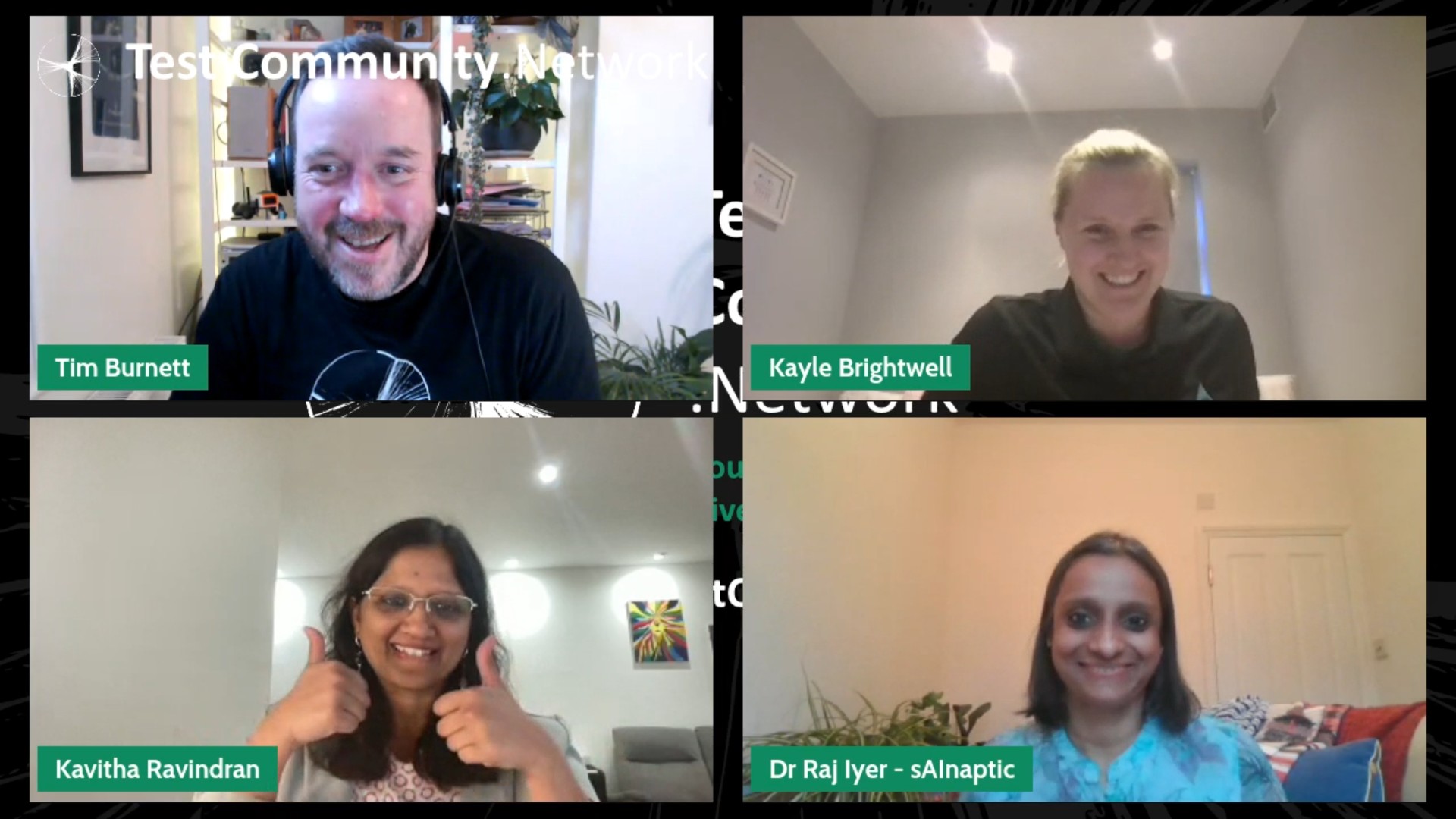
A practical look at how one awarding organisation adopted AI-assisted marking with confidence, compliance, and learners at the centre.
If you're an awarding organisation leader wondering whether AI marking is really ready for your world, you're not alone. Most AOs are asking the same questions: Can we trust it? Will regulators accept it? Where do we even start? Safety Training Awards (STA) — the awarding organisation behind swimming teaching, lifesaving and first aid qualifications — decided to find out. And their experience so far offers a practical, honest blueprint for others considering the same path.
STA's Director of Education, Kaylë Brightwell, is the first to admit she wasn't looking for an AI solution. Her background is in swimming education, not technology, and AI meant one thing to her: ChatGPT.
"AI to me was very much the generative AI, you know, ChatGPT, Co-pilot. If I thought about AI, that's what it was to me. I hadn't even considered any of this."
— Kaylë Brightwell, Director of Education, STA
It was a chance encounter with Raj Iyer, co-founder of sAInaptic, at an industry event that changed things. A conversation over coffee turned into a demonstration, and STA quickly realised that AI-assisted marking could solve a very real problem — the time and fatigue involved in marking detailed lesson plans submitted by trainee swimming teachers.
From the outset, the approach was collaborative. sAInaptic's technology doesn't replace the human marker — it assists them. A tutor clicks a button, the AI generates detailed, criteria-referenced feedback in around eight seconds, and the tutor reviews, edits and personalises it before sending it to the learner. The human remains fully in the loop at every stage.
Raj Iyer, sAInaptic's co-founder and CEO, explains why that distinction matters — and why it goes beyond just satisfying regulators.
"It is new, let's face it. Education is now going through that transformative process. And if you don't have that trust, there's not going to be any adoption."
— Dr Rajeshwari Iyer, Co-Founder & CEO, sAInaptic
This mattered enormously when it came to regulators. STA operates across multiple regulatory bodies, and Kaylë was open with all of them from the start about what they were doing and the safeguards being put in place. The response from one regulator was particularly encouraging.
"At a recent audit, they [the regulator] were really impressed, actually. They were really impressed with how innovative it was and the consistency."
— Kaylë Brightwell
STA is only a month into live deployment, but the early results have exceeded expectations. Tutors are saving significant time — what previously took an hour per lesson plan now takes a fraction of that. More importantly, the quality and detail of feedback has improved, not declined.
"We've got a tutor who's dyslexic and said, 'I've got it in my head, I've just struggled to put it down.' The AI does that and they can edit it. It saved them time."
— Kaylë Brightwell
Kaylë also noted a meaningful reduction in resubmissions. Because learners are receiving richer, more specific feedback first time round, the quality of their subsequent work has gone up. The AI doesn't get tired, doesn't carry bias from the classroom, and checks every detail against STA's own assessment criteria and teaching standards — consistently, every time.
"The AI doesn't have that fatigue. It gives everybody the same feedback against the criteria."
— Kaylë Brightwell
Kavitha Ravindran, sAInaptic's co-founder, points out that the data backs this up — and that learners themselves can feel the difference.
"For adult learners, when the feedback is of good quality, you immediately see an increase in engagement"
— Kavitha Ravindran, Co-Founder & Chief Growth Officer, sAInaptic
STA's approach offers a clear lesson for other awarding organisations: don't try to transform everything at once. They started with one qualification, invested time upfront in getting the training data and assessment criteria right, and built from there.
"If I thought that we were doing twelve qualifications all at one time, I don't know what I would have done. Starting with one, taking your learnings — it's made it much easier."
— Kaylë Brightwell
When asked what she wished she'd known at the start, Kaylë's answer was refreshingly simple.
"It would be how easy it is. Invest in that time at the start — making sure you have the gold standard, the assessment criteria, your terminology. The more data you give it, the better the results you're going to get."
— Kaylë Brightwell
STA's experience shows that responsible AI marking doesn't have to be daunting. With a human-in-the-loop approach, transparency with stakeholders, a collaborative technology partnership, and the discipline to start small and prove impact, it's a journey any awarding organisation can approach with confidence.
For AO leaders still weighing up whether to take the first step, STA's story is a reassuring one: take your time, do it properly, and the results will speak for themselves.
For more information about AI Marking with sAInaptic visit: www.sainaptic.com