IAEA 2026: Why We Need Your Voice in the Room
IAEA Unpacked - A Conversation with EQAO's Dan Koenig
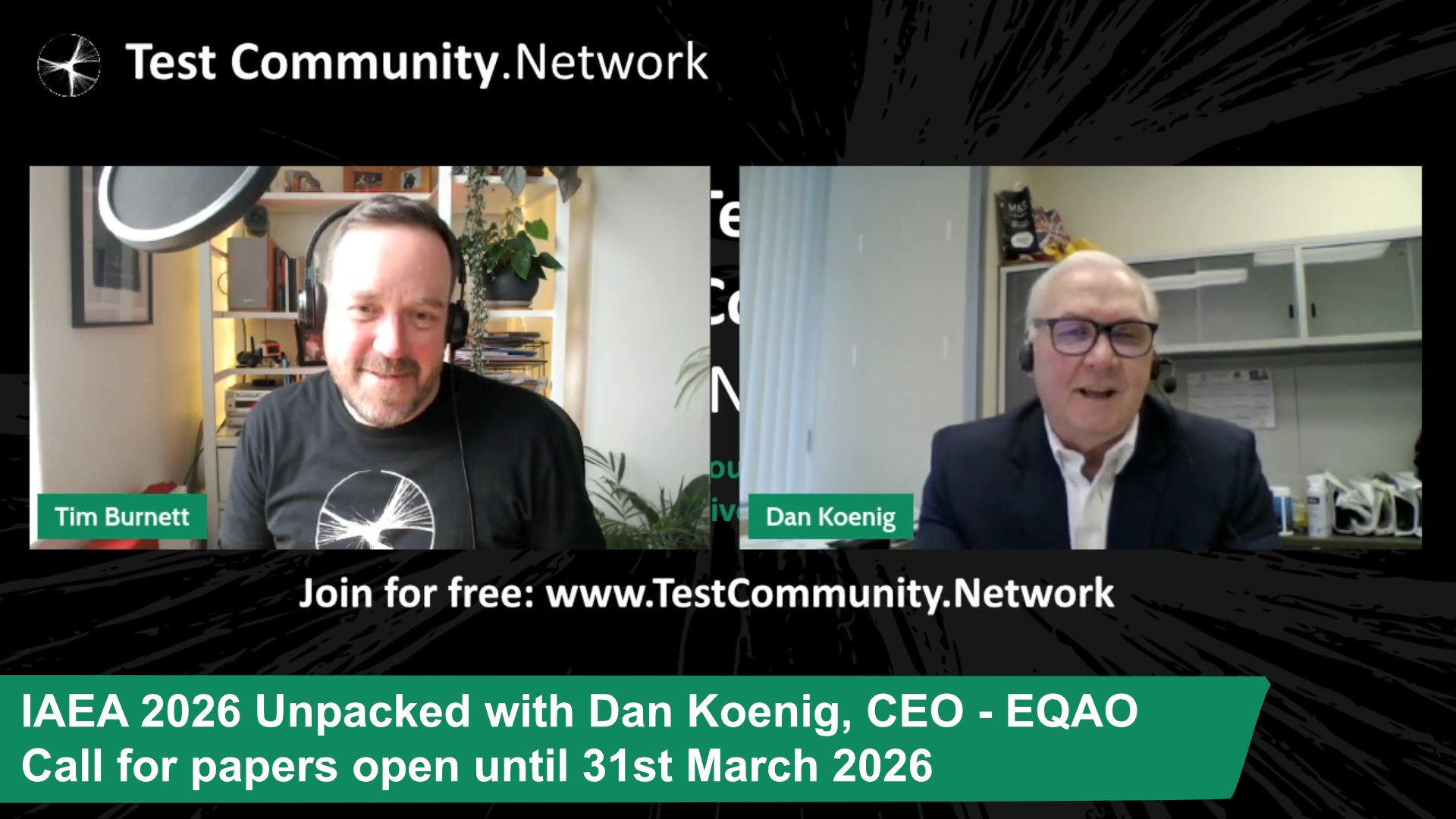
IAEA Unpacked - A Conversation with EQAO's Dan Koenig
The 51st IAEA Annual Conference takes place in Toronto, Canada, from 27 September to 2 October 2026, hosted by the Education Quality and Accountability Office (EQAO) in partnership with the International Association for Educational Assessment and Vretta Inc. Under the theme Trust, Transparency and Technology in Educational Assessment, the conference will bring together researchers, practitioners, policymakers and technology innovators from across the globe to explore how assessment systems can be designed and delivered to be more equitable, innovative and trustworthy. The call for abstracts is now open, with submissions due by 17th April 2026.
Ahead of the conference, we sat down with Dan Koenig, Chief Executive Officer of EQAO, to talk about why getting the right people into the room matters more than ever.
For Koenig, the IAEA conference stands apart because of what happens in the sessions themselves. "On the ground, in the sessions, it's dedicated to those people that are going to make a difference in educational assessment — those global thought leaders that are ultimately going to influence policy, resource allocations, curriculum design, and then ultimately what we're all about: improving student success and achievement."
With delegates from over fifty countries expected, the IAEA offers something rare: a genuinely neutral space for honest exchange. "It's a neutral, research-driven forum to share evidence, compare approaches and learn from each other."
When asked who should be shaping the conversation in Toronto, Koenig is unequivocal — it takes a broad coalition. "We want policymakers, those national assessment leaders, to be part of the conversation. We want school and system leaders as well. And then researchers and university thought leaders who can come in and have done a lot of the background work to say, here are your best practices, here's what the research is telling us, and this is what can influence the type of assessments that you produce."
He is equally clear that the technology community has a critical role to play: "So many people are moving from paper to digital. The ed tech developers are really important as people begin to think about moving from paper and pencil to a digital environment. Many are still doing that around the world."
And then there are the advocates for equity and inclusion — voices Koenig sees as essential. "Ontario is probably one of the most diverse provinces in the world. And so when we begin to look — is our assessment really reflective of the students that are in the classroom? Those equity and inclusion advocates, we want them to be there and present as well."
Running through the conversation is a thread that Koenig returns to repeatedly: public trust. It is, he believes, the defining challenge of our time in assessment.
"I have so many friends that are parents and there's so much negativity around large-scale assessment. What does it mean? How do I interpret this? Is it really a true reflection of my child as they go through the curriculum?" he says. "We face scrutiny, and ensuring trust — which is part of our conference theme — is as important as technical accuracy."
For Koenig, this is precisely why the community needs to come together: to share not just what works technically, but what builds confidence among the people assessment is ultimately meant to serve.
Artificial intelligence looms large over every conversation in education right now, and Koenig does not shy away from the complexity. "It almost reminds me of the introduction of the internet and how it was going to revolutionise daily life. And that's the feeling I get from the implementation of AI," he reflects. "There are so many promises being made as to what it can do for you. We're trying to figure out what's the reality."
He describes EQAO's own experience with disarming honesty: "We're so very detailed, precise, methodical about everything that we do — I think most people are if you're in an assessment agency, because you want to get it right. It has to be right because it's going to influence the students that participate in those assessments."
The conference, he hopes, will be a place to move beyond the hype: "We want to bring the big thinkers, those global thought leaders, into the room. What are they learning from it? What are some of the advantages they've seen in the efficiencies? And what was the process and the development of a framework that actually made real good sense for proper implementation?"
Koenig is keen to emphasise that the IAEA is not a conference of abstractions. "It's not just theory. You're going to hear case studies of how people have implemented, how they've monitored, and what successes and challenges they've had related to the work that they've done in the development of their assessment programme."
He sees enormous value in the benchmarking opportunity this creates: "It gives you the chance to benchmark. Here's where I am. And here's where some other assessment programmes around the world are. What are the steps they took to get there? And how do I get there? What are some learnings that I can take away from that?"
Whether you are at the beginning of a digital transformation journey or a decade in, Koenig believes there is something to gain — and something to give: "You may be at the beginning stages of implementing digital, you may be at the five or ten year stage. And so you've learned things along the way."
For those still weighing up whether to submit an abstract or make the trip to Toronto, Koenig's message is direct: "It's truly one of the few global forums where you are going to meet and network with assessment specialists, leaders in assessment, policymakers, decision-makers and technology innovators — and the ability to meet with them as equals and have those discussions. You get unprecedented access to thought leaders who are shaping assessment policies and new initiatives worldwide."
He leaves us with a personal reflection that speaks to the heart of why conferences like this matter: "Many times it's a career-defining moment. I think if you come, you're going to have a smorgasbord of opportunity and ideas. And I think it's going to be a career-defining moment for you as a professional."
The 51st IAEA Annual Conference takes place in Toronto from 27 September to 2 October 2026. Abstracts are open until 31 March 2026. Visit iaea2026.org to submit yours.. Take a look at the key dates relating to the conference.